
๐Ÿ“ž Call for a Free Quote: (888) 619-6082

Crawl Space Rodent Control in Dallas, TX

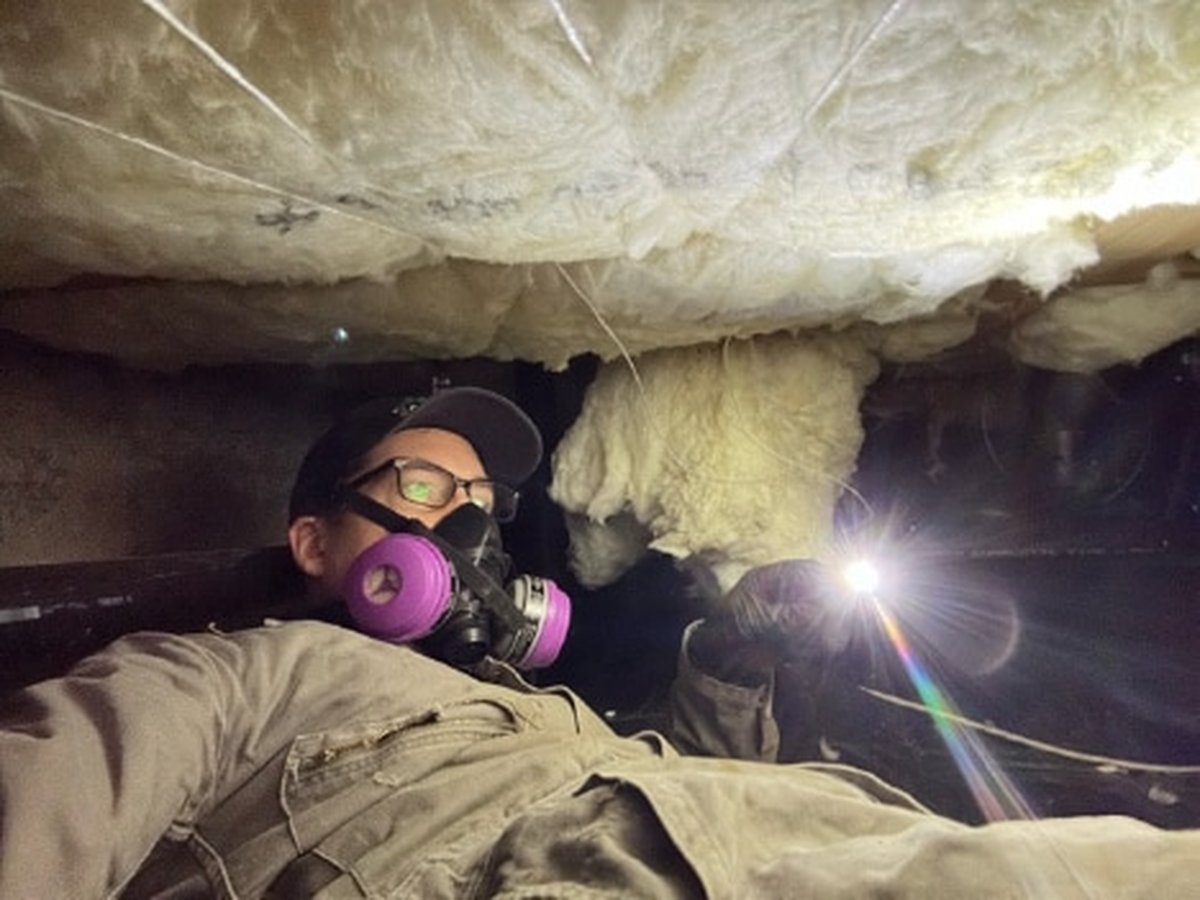
Technician inspecting a pier-and-beam crawl space for rodent activity in Dallas, TX

Most Dallas homes are slab-on-grade, but that's not the whole picture. Older pockets of Oak Cliff, Kessler Park, and parts of East Dallas still have genuine pier-and-beam construction with an open crawl space underneath, and it's common to find a raised sunroom, laundry addition, or back-porch conversion on an otherwise slab home built on its own separate pier foundation. Wherever a real crawl space exists, it's prime territory for a Norway rat looking for an undisturbed place to den, since it offers exactly what a slab home's rodents can't get at ground level โ€” dark, sheltered, climate-buffered space directly under the living area.

A crawl space job is genuinely different work from a typical Dallas rat or mouse call. We're checking foundation vent screens for rust and tears, inspecting the sill plate line where a settled pier foundation has opened a gap between the framing and the ground, and working in a tight, low-clearance space that calls for different tools and positioning than an attic or a slab perimeter ever would. Blackland Prairie clay's seasonal swelling and shrinking affects a pier-and-beam foundation just as much as it does a slab, gradually opening gaps at vents and sill plates that weren't there when the house was built.

We trap the active population using low-profile placements suited to the space, then seal every vent with rodent-proof mesh and close sill plate gaps with materials that won't trap moisture against old wood framing, since a bad seal here risks creating a rot problem on top of the rodent one. You get a written report and a workmanship warranty on the sealing work. Call (888) 619-6082 if your Dallas-area home has a crawl space and you've heard activity underneath.

While we're already under the house for a rodent job, we take note of ground moisture and vapor barrier condition, since a torn or missing vapor barrier is often what's actually drawing rodents toward a crawl space in the first place โ€” the damp, cool microclimate underneath is attractive shelter on its own before any food source is involved. We're not a moisture-remediation contractor and won't try to sell you one, but we'll tell you plainly in the report if what we saw looks like it needs a vapor barrier repair, since fixing that tends to make any future sealing work last longer.

๐Ÿ“ž Call (888) 619-6082

Request This Service

* Indicates required field

Which Dallas Homes Still Have a Crawl Space

True open crawl spaces are the exception in Dallas rather than the rule, concentrated in older pier-and-beam construction found in pockets of Oak Cliff, Kessler Park, and East Dallas built before slab-on-grade became the regional standard. It's also common to find a smaller, separate crawl space under an addition โ€” a sunroom, laundry room, or converted porch โ€” built on its own pier foundation even when the rest of the house sits on a slab, which many homeowners don't realize is a different vulnerability than the rest of their home.

Foundation Vent Screens & Sill Plates

Crawl space foundation vents are screened to keep animals out, but that screen rusts and tears over decades, and once it fails, the vent becomes an open door. The sill plate line, where wood framing meets the masonry foundation below, is the other common failure point, especially as Blackland Prairie clay's seasonal movement gradually opens a gap that wasn't there when the house was built. We check both on every crawl space inspection, since either one alone is enough to give a rat easy access underneath the house.

Working a Tight, Low-Clearance Space

A pier-and-beam crawl space calls for different tools and technique than an attic or slab perimeter โ€” low-profile trap placements, careful movement around ductwork and plumbing that often runs through the same space, and an understanding of how ground moisture affects both rodent behavior and trap performance. We carry the equipment suited to a tight, decades-old crawl space rather than treating it like a scaled-down attic.

Sealing Without Trapping Moisture Against Old Wood

Vents on a crawl space foundation serve a ventilation purpose for the wood framing above, not just a way to keep animals out, so sealing them solid the wrong way can trap moisture against old sill plates and joists and create a rot problem. We use rodent-proof mesh screening that keeps airflow intact while closing the gap to anything bigger than an insect, matched to the specific vent style found on older Dallas pier-and-beam construction.

Ductwork and Plumbing Sharing the Space

A crawl space usually carries HVAC ductwork, water supply lines, and drain plumbing right alongside whatever rodent activity is present, and a rat or mouse population working that same tight space can gnaw insulation off ductwork or chew into a line, creating a second problem on top of the original one. We check exposed ductwork and accessible plumbing for damage during every crawl space job and flag anything that needs a specialist's attention beyond rodent control itself.

When an Addition's Crawl Space Differs From the Main House

A rear addition or converted porch built on its own pier foundation sometimes has a smaller, harder-to-access crawl space than the rest of the house, with its own separate vents and sill plate line that a general home inspection can overlook entirely. We treat that space as its own inspection point rather than assuming it shares the same condition as the main structure, since additions are frequently where the least maintained vents and the widest settling gaps turn up.

Moisture Management in a Dallas Crawl Space

A crawl space traps ground moisture more than an attic ever would, and North Texas's clay soil holds water after a heavy spring rain longer than sandier ground does elsewhere, which can create damp conditions that both attract rodents and stress old wood framing at the same time. We note visible moisture or standing water during a crawl space inspection and recommend a vapor barrier or drainage improvement when it looks like a contributing factor, since a persistently damp crawl space tends to draw rodents back even after a thorough sealing job.

Coordinating With a Foundation Repair Contractor

Blackland Prairie clay's seasonal movement is also the reason foundation repair is such a common line of work across North Texas, and it's not unusual for a pier-and-beam home to need both foundation leveling and rodent exclusion around the same time, since the same settling that stresses piers also opens gaps rodents use. If we spot signs of significant foundation movement during a crawl space inspection, we'll flag it plainly and recommend a qualified foundation contractor rather than sealing over a structural issue that's outside our scope.

Areas We Serve

Proudly providing rodent control across the region:

Get Crawl Space Rodent Control in Dallas Today

Fast response, upfront pricing, and friendly local pros. Call now for a free quote.

๐Ÿ“ž Call (888) 619-6082