
๐Ÿ“ž Call for a Free Quote: (888) 619-6082

Dead Rodent Removal & Odor Control in Dallas, TX

Technician locating a dead rodent odor source in a Dallas, TX wall void

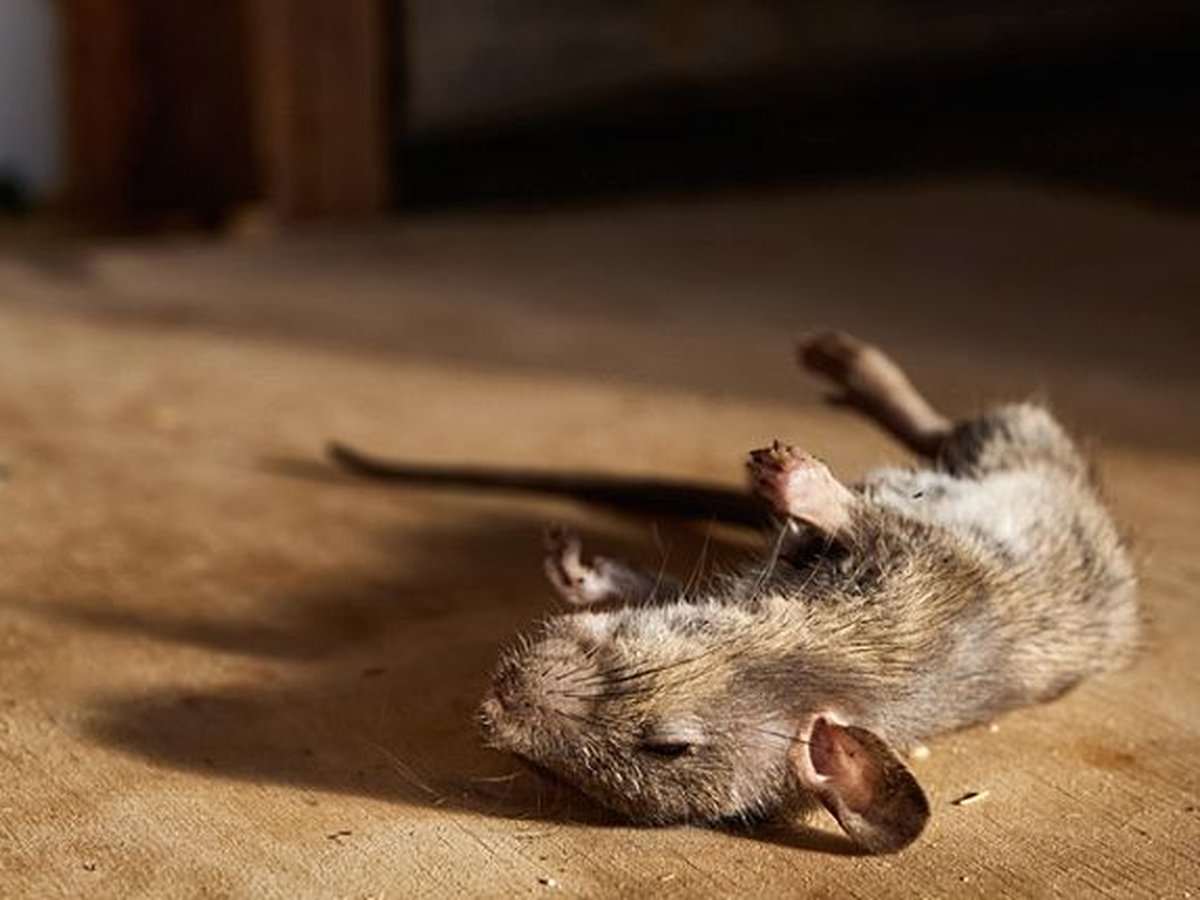
A rodent that dies inside a wall void, attic, or duct run doesn't stay quiet for long, especially once North Texas heat gets involved. A dead mouse can produce a noticeable odor within a day or two in a hot attic, and a rat carcass in a wall cavity can affect an entire room within a week, with the smell intensifying fast once attic or wall-cavity temperatures climb into the triple digits during a Dallas summer. Because so many local homes route HVAC ductwork through the attic, an odor can also travel through the vent system into rooms nowhere near where the animal actually died, which is part of why homeowners often can't pinpoint a source on their own.

We locate the carcass using a combination of odor tracing, moisture and heat-signature tools, and a physical inspection of likely spots โ€” the same wall voids, attic corners, and duct runs a live rodent would have used to get in. Once located, we remove the carcass and any contaminated material around it, then treat the area with an enzyme or antimicrobial product that breaks down the odor source rather than covering it with a scent that fades in a day.

Because a dead rodent almost always means there was a way in, we always check for the active entry point while we're on-site and can quote sealing work the same visit if one turns up, since the next rodent will otherwise use the same gap. Call (888) 619-6082 โ€” we prioritize odor calls given how quickly the smell tends to spread through a Dallas attic in warm weather.

For rental properties, we document the whole process with dated photos of the carcass location, the contaminated material removed, and the treated area afterward, since landlords and property managers often need that record for a tenant dispute, an insurance claim, or a unit turnover file. When a carcass has been decomposing near ductwork for more than a few days, we'll also flag whether the HVAC system itself needs a professional duct cleaning afterward โ€” odor and contamination can settle in the ducts themselves, and our enzyme treatment addresses the room and cavity, not what's already circulated through the vents.

๐Ÿ“ž Call (888) 619-6082

Request This Service

* Indicates required field

Why Dead Rodent Odor Spreads So Fast Here

Decomposition speeds up dramatically in heat, and a Dallas attic can sit well above 130 degrees for hours on a summer afternoon, which accelerates the process compared to a milder climate. Combine that with an HVAC system that draws air from or passes ductwork through the same attic space, and an odor that started in one corner can circulate through the return air and show up in rooms on the opposite side of the house within days.

How We Locate a Hidden Carcass

We use a combination of scent tracing, moisture meters, and a physical inspection of the spots most likely to hold a carcass โ€” wall voids near a confirmed rodent travel path, attic corners near insulation staining, and duct runs where airflow could be carrying odor from elsewhere. In some cases locating the exact spot means opening a small access point in drywall, which we do as minimally and cleanly as possible and coordinate with you before cutting anything.

Removal & Odor Treatment

Once located, we remove the carcass and any surrounding contaminated material, then treat the area with an enzyme or antimicrobial product designed to break down odor-causing compounds at the source rather than mask them with fragrance. We confirm the treated area is actually odor-free before considering the job finished, rather than assuming one application solved it.

Checking for the Entry Point While We're There

A dead rodent inside your home almost always means a live one found its way in first, so we check for the active entry point during every odor call and flag anything that needs sealing. If we find a live infestation alongside the dead-rodent odor, we'll scope trapping and exclusion work as a separate line item so the full problem gets addressed, not just the immediate smell.

Working Around Finished Walls and Ceilings

Locating a carcass inside a finished wall or ceiling sometimes means a small, targeted access cut rather than a large opening, and we choose the spot carefully based on where scent tracing and moisture readings point rather than cutting exploratory holes across a room. Where possible, we access from an attic or a less visible wall rather than a finished living space, and we coordinate any necessary cut with you before it happens, including a rough idea of what patching or paint touch-up will involve afterward.

Preventing a Repeat Problem

Once the immediate odor is resolved and the entry point sealed, the risk of another rodent dying in the same wall void or attic corner drops sharply, but it's not zero if other unsealed gaps exist elsewhere on the property. We recommend a full exclusion inspection alongside odor service whenever more than one entry point seems likely, since resolving today's smell without addressing the rest of the envelope just delays the next call rather than preventing it.

Distinguishing Dead-Rodent Odor From Other Smells

Not every unexplained smell in a Dallas attic or wall void is a dead rodent โ€” a sewer gas leak, a mold or mildew issue from a slow roof leak, and even a failing HVAC component can produce a similarly unpleasant odor. We assess the smell's character and location alongside other evidence, like recent scratching sounds or known rodent activity, before assuming decomposition is the cause, and we'll tell you plainly if what you're smelling points to a different problem entirely.

How Long the Odor Takes to Clear After Removal

Once the carcass and contaminated material are removed and the area treated, most odors noticeably improve within a day or two as the treated surfaces finish breaking down the remaining source compounds, though a strong, long-standing odor in porous material like insulation can take a bit longer to fully clear. We check back in with you after treatment if the smell was severe, rather than considering the job done the moment we leave.

Odor Tracing Through Shared Ductwork

Because most Dallas homes route HVAC ductwork through the attic, an odor can travel through the vent system and show up strongest in a room nowhere near where the animal actually died, which is one of the more common reasons homeowners struggle to pinpoint a source on their own. We check register airflow and duct routing as part of tracing the smell, since following the strongest room-by-room scent alone can point in the wrong direction when ductwork is involved.

Areas We Serve

Proudly providing rodent control across the region:

Get Dead Rodent Removal & Odor Control in Dallas Today

Fast response, upfront pricing, and friendly local pros. Call now for a free quote.

๐Ÿ“ž Call (888) 619-6082