
๐Ÿ“ž Call for a Free Quote: (888) 619-6082

Squirrel Removal in Dallas, TX

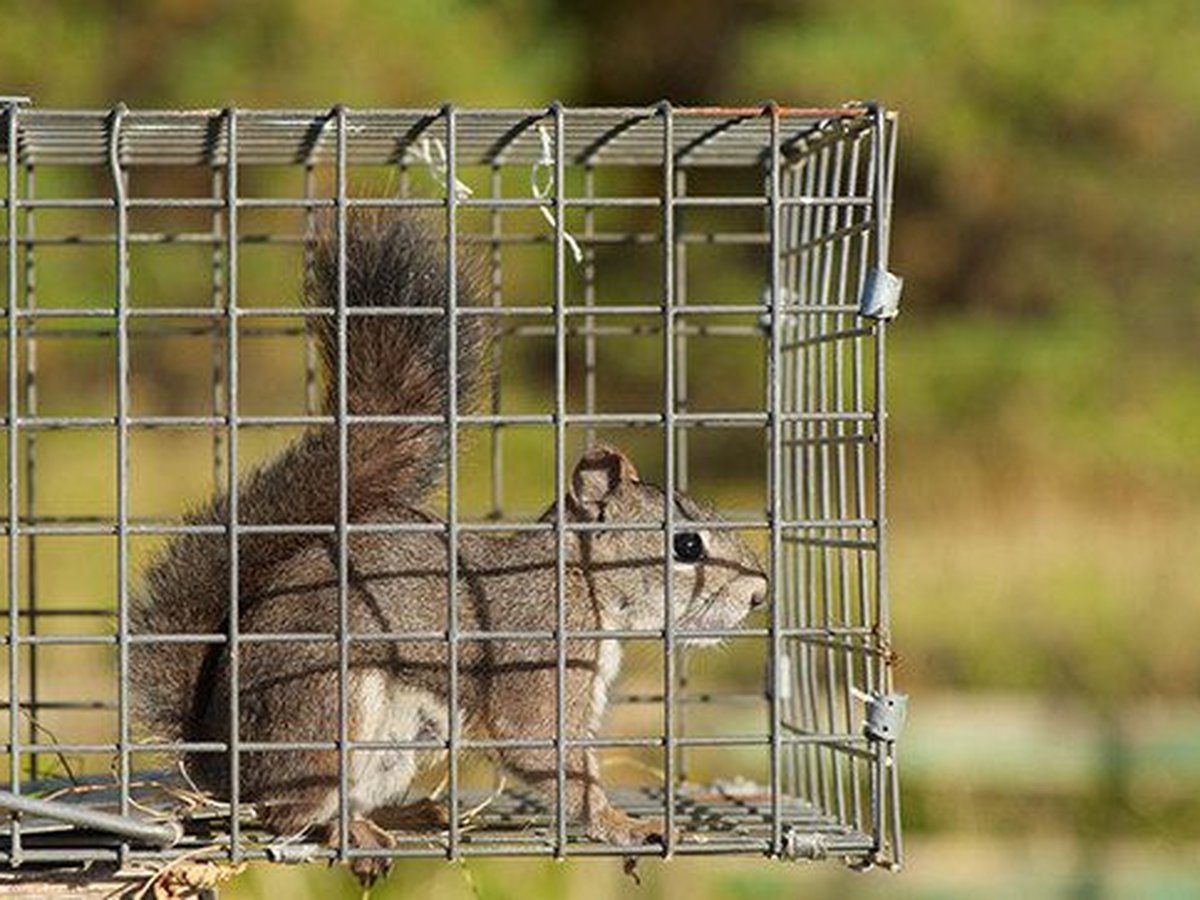
Squirrel excluded from a roofline entry point during a removal service in Dallas, TX

Dallas's mature tree canopy is a big part of why squirrels are one of our most common calls, especially in Lakewood, the M Streets, Oak Cliff's older blocks, and the streets closest to White Rock Lake, where oak and pecan limbs overhang rooflines and put an attic within easy jumping distance of a squirrel's normal route. We see two species regularly: the Eastern gray squirrel, the smaller, more common tree squirrel most homeowners picture, and the Eastern fox squirrel, a noticeably larger, often rust-colored squirrel that favors more open, park-like yards and the newer subdivisions farther south and west in the metro.

Unlike rats and mice, squirrels are active during the day, so most homeowners hear them differently โ€” heavy scampering, thumping, or rolling sounds in the attic during daylight hours, especially early morning and evening. They get in through gaps in fascia boards, damaged soffit panels, gable vents, or a roof-to-wall seam that's opened over time, and a mother squirrel will often chew a hole specifically to create a nesting spot for a litter.

Because a mother squirrel may be present with pups too young to follow her out, our removal method uses a one-way exclusion door wherever possible, letting animals leave to forage on their own schedule but not re-enter, rather than trapping and potentially separating a mother from a nest still inside. Once the attic is confirmed clear, we seal the entry point and any other vulnerable roofline gaps with heavy-gauge material squirrels can't chew through. Squirrel activity peaks in late winter and again in late summer during the two breeding seasons, so calls tend to cluster then. Call (888) 619-6082 for a roofline and attic inspection.

Squirrel gnawing does a different kind of damage than a rat or mouse leaves behind โ€” instead of the fine gnaw marks rodents leave at baseboards and door frames, squirrels chew through fascia boards, soffit panels, and roof decking itself, and a nesting female will often shred attic insulation down to bare joists to build a bulky nest. Because Dallas rarely sees a hard freeze that would suppress breeding the way a harder winter does farther north, we sometimes see a mild third litter push in early winter on top of the usual late-winter and late-summer seasons, which is why we check attic insulation condition and wiring on every squirrel call, not just the entry point itself.

๐Ÿ“ž Call (888) 619-6082

Request This Service

* Indicates required field

Gray Squirrels vs. Fox Squirrels in Dallas

The Eastern gray squirrel is the smaller, grayer squirrel most people picture, common wherever there's mature tree canopy โ€” which in Dallas means Lakewood, Oak Cliff, and the older, tree-lined streets around White Rock Lake. The Eastern fox squirrel is noticeably larger, often with a rust-orange belly, and tends to favor more open ground and the edges of newer subdivisions with scattered mature trees rather than dense urban canopy. Both will use a roofline the same way, but knowing which one you have helps confirm entry point size and whether a litter is likely present.

How Squirrels Get Onto the Roof

Dallas's mature tree canopy is the biggest factor โ€” overhanging oak and pecan limbs put a roofline within easy jumping distance of a squirrel's usual travel route. From the roof, they work damaged fascia, gaps in soffit panels, gable vents, and any roof-to-wall seam that's separated slightly over time, sometimes enlarging a small gap into a nesting hole deliberately. Homes closest to White Rock Lake and other heavily wooded pockets of East Dallas see this pressure especially often.

One-Way Exclusion Doors

Because a mother squirrel may have a litter of pups too young to leave the nest on their own, we install one-way exclusion doors at the entry point wherever the situation allows โ€” a device that lets animals exit to forage but not return, so the attic clears naturally over several days rather than trapping animals inside or separating a mother from pups still in the nest.

Sealing Rooflines Against Squirrels

Squirrels chew through lighter materials easily, so roofline exclusion uses heavier-gauge hardware cloth and metal flashing than a typical mouse-sized gap needs. We check the entire roofline while we're up there, not just the confirmed entry point, since a squirrel that's been active for a while has often tested more than one spot, and we look for chimney caps and vent boots that need attention at the same time.

Damage Squirrels Leave Behind

Beyond the noise, squirrels chew wiring, compress and soil insulation, and can damage soffit and fascia from the outside working to get in. We check for these signs during every squirrel job and can pair the exclusion work with an attic cleanup and re-insulation if the damage warrants it, rather than leaving you to discover the extent of it later on your own.

Chimneys, Vents & Other Entry Points

Rooflines aren't the only way a squirrel gets into a structure โ€” an uncapped chimney is one of the most common entry routes we find on older Dallas homes, since a chimney flue looks and feels like a hollow tree to a squirrel looking for a den site. Bathroom and kitchen exhaust vents, dryer vents without a working flap, and gaps around HVAC penetrations on the roof are other overlooked routes we check on every squirrel inspection, not just the roofline and soffit.

Preventing Squirrels Long-Term

Trimming tree limbs back from the roofline, capping chimneys, and screening gable and roof vents with squirrel-rated mesh are the most effective long-term deterrents, and we point out specific opportunities on your property during the inspection rather than giving generic advice that may not apply to your particular roofline and landscaping, especially on a heavily wooded Lakewood or White Rock Lake-area lot.

Working Around Historic Districts and HOA Roofing Rules

Some of Dallas's older neighborhoods, including several designated historic districts, have specific rules about roofline and exterior alterations, and an HOA-governed community may require approval before certain exclusion materials go up on a visible part of the roof. We're familiar with working within these requirements and can adjust material choices or coordinate documentation for an HOA review when a property falls under one, so the exclusion work gets approved rather than flagged after the fact.

Squirrel Damage vs. Rat Damage: How We Tell Them Apart

Squirrels leave larger gnaw marks and wider entry holes than a rat working the same roofline, and their nesting material tends to include leaves and twigs dragged in from outside rather than the shredded paper and fabric a rat or mouse nest is built from. Droppings differ too, and daytime activity alone is a strong indicator, since rats and mice are almost never active during daylight the way squirrels routinely are. Getting this distinction right on the first visit keeps the removal method โ€” one-way door versus trapping โ€” matched to what's actually up there.

Areas We Serve

Proudly providing rodent control across the region:

Get Squirrel Removal in Dallas Today

Fast response, upfront pricing, and friendly local pros. Call now for a free quote.

๐Ÿ“ž Call (888) 619-6082