
๐Ÿ“ž Call for a Free Quote: (888) 619-6082

Rodent Trapping Services in Dallas, TX

Snap trap set along an attic joist during a rodent trapping service in Dallas, TX

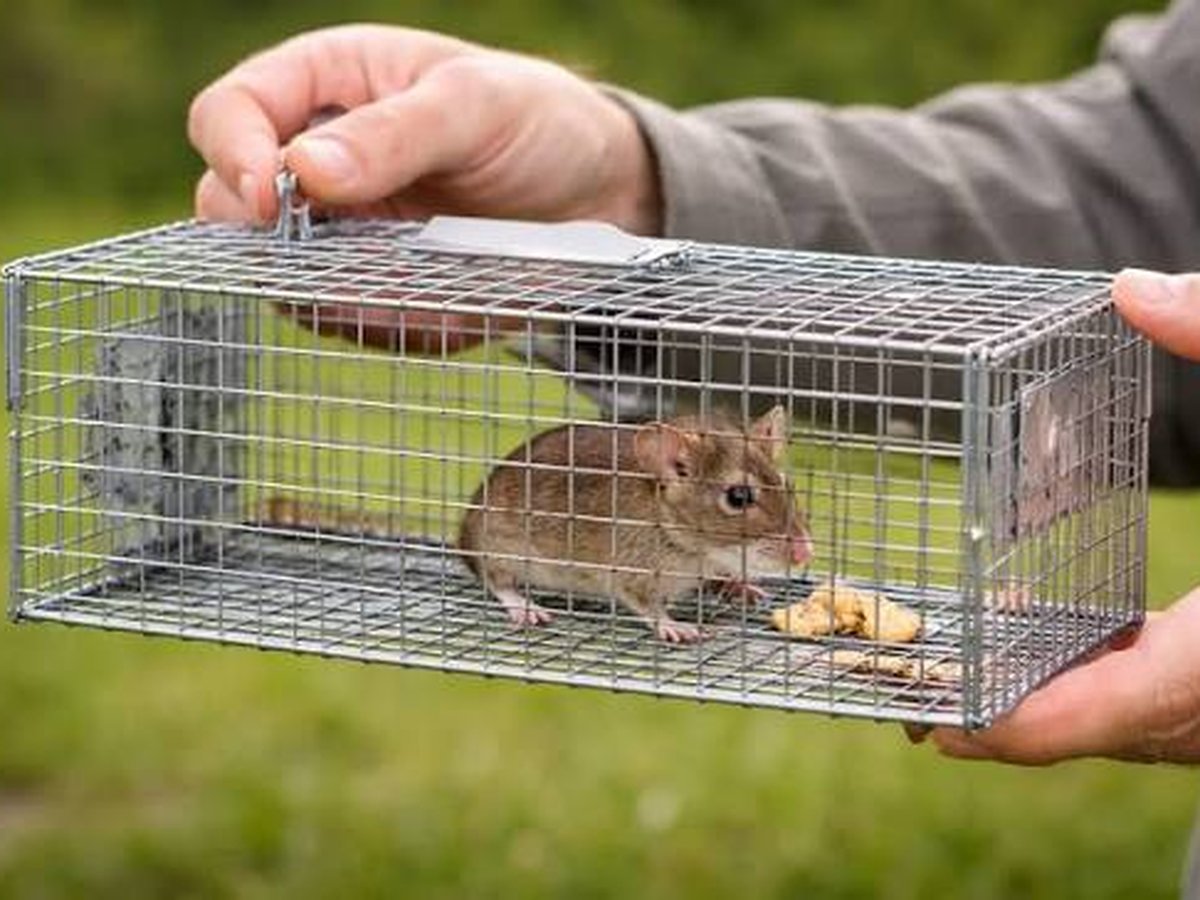
Trapping sounds simple until you're the one doing it โ€” placement, trap type, and follow-through matter far more than the number of traps set. We run trapping programs across Dallas and the southern and western suburbs using a mix of mechanical snap traps, electronic traps for sensitive indoor areas like pantries and nurseries, and enclosed tamper-resistant bait stations where a property has pets or small children and outdoor placement is needed.

On a slab home, activity concentrates in two places: attic joists and roofline access points, where roof rats, mice, and occasionally squirrels travel, and ground-level spots like AC condenser pads, fence lines, and garage corners, where Norway rats and mice work the exterior. Rats and mice are neophobic โ€” cautious around new objects โ€” so a trap dropped in the open middle of a garage floor often sits untouched for weeks, while the same trap tucked against the wall where rodents actually travel gets sprung the first night.

We map activity from droppings, rub marks, and gnaw damage first, then place traps directly on those paths. We check and reset on a schedule rather than a single visit, logging activity at every stop so you can see the population trending down instead of taking our word for it. Once activity stops for a confirmed stretch, we recommend exclusion work if it hasn't already been done, since trapping alone doesn't stop the next rodent from finding the same unsealed gap. Call (888) 619-6082 to schedule a trapping assessment.

๐Ÿ“ž Call (888) 619-6082

Request This Service

* Indicates required field

Choosing the Right Trap Type

Not every situation calls for the same tool. Mechanical snap traps are fast and effective in attics, garages, and along exterior fence lines. Electronic traps are a cleaner option for indoor placements like a kitchen or pantry where a family would rather not deal with a mechanical trap directly. Enclosed, tamper-resistant bait stations come into play for outdoor perimeter control around AC pads, sheds, or landscaping on properties with pets, kids, or a lot of neighborhood wildlife, keeping bait fully contained.

Placement Science, Not Guesswork

Rats and mice are naturally wary of new objects, so a trap's location matters more than how many are set โ€” the single biggest mistake we see in a DIY trapping attempt. We identify actual travel corridors from droppings, rub marks, and gnaw evidence, then place traps directly on those paths โ€” attic joists, roofline access points, fence tops, and slab-edge corners โ€” rather than scattering them across open space rodents tend to avoid entirely.

Scheduled Checks & Resets

A trapping program isn't a one-time visit. We return on a set schedule to check, reset, and reposition based on what activity is telling us, since a mature colony rarely clears in a single session no matter how well the first round of traps was placed. Each visit, placements get adjusted toward wherever activity has shifted rather than left in the same spot regardless of results.

DIY Trapping vs. Professional Trapping

Store-bought traps aren't inherently different from what we use โ€” a snap trap is a snap trap โ€” but placement, correct trap selection for the species and location, and the discipline of checking and repositioning on a real schedule are where a professional program tends to outperform a DIY effort. Most homeowners get a few early catches, since a fresh population hasn't yet learned to avoid new objects, then plateau once the more cautious survivors remain.

Pet- and Child-Safe Placement

Homes with pets or small children get enclosed, tamper-resistant stations for any outdoor or accessible interior placement, and we walk through exactly where every trap is going before we leave. Indoor mechanical traps go in areas kids and pets can't reach โ€” behind appliances, in attic and garage access points, and inside cabinet voids โ€” and we're happy to adjust placement further if a specific spot makes anyone in the household uncomfortable, even if it means a slightly longer check-in route for the technician.

Trapping for Commercial & Multi-Unit Properties

Restaurants, warehouses, and multi-family properties across the Dallas area need discreet, code-compliant trapping and monitoring stations, often with a service log for health inspections or property management records. We build a single site plan covering every structure on a property, numbering and logging each placement so activity trends are visible property-wide rather than piecemeal, which also makes it easier to demonstrate progress to a property manager or landlord who wants to see the data.

Trapping in Attics vs. Ground-Level Placements

An attic trapping route on a Dallas slab home means working along joists and near roofline access points where roof rats, mice, and occasionally squirrels travel, often in tighter, hotter conditions than a ground-level check. A perimeter route covers fence lines, AC pads, and garage corners for Norway rats and mice working the exterior instead. Most residential programs run both simultaneously once inspection confirms activity in each zone, rather than assuming a single route covers the whole property.

Tracking Activity Over Time

We log catches and sign of activity at every visit so progress is visible and documented, not anecdotal. That record also tells us when it's time to move from active trapping into a lighter monitoring phase, and it's useful documentation to have on file if activity ever picks back up down the road, especially for a homeowner comparing notes with a future pest control provider or during a real estate transaction.

When Trapping Alone Isn't Enough

Trapping controls the population that's already inside, but it doesn't stop new rodents from finding the same unsealed gap. If an inspection turns up an open entry point โ€” a roofline seam, a weep hole, a garage door gap โ€” we'll flag it and recommend exclusion work alongside the trapping program, since pairing the two is the difference between a solved problem and a recurring one that calls us back every few months.

Trapping for Specific Species

Rats, mice, and squirrels each call for a different trap type, size, and placement strategy โ€” a trap sized and baited for a mouse won't reliably catch a rat, and a rat trap set for a mouse-sized target can miss entirely or fail to trigger at all. We confirm the species during inspection before setting anything, since guessing wrong wastes time and lets the actual population keep growing while traps sit ineffective, which is one of the more common mistakes we see in a stalled-out DIY trapping attempt.

Areas We Serve

Proudly providing rodent control across the region:

Get Rodent Trapping Services in Dallas Today

Fast response, upfront pricing, and friendly local pros. Call now for a free quote.

๐Ÿ“ž Call (888) 619-6082